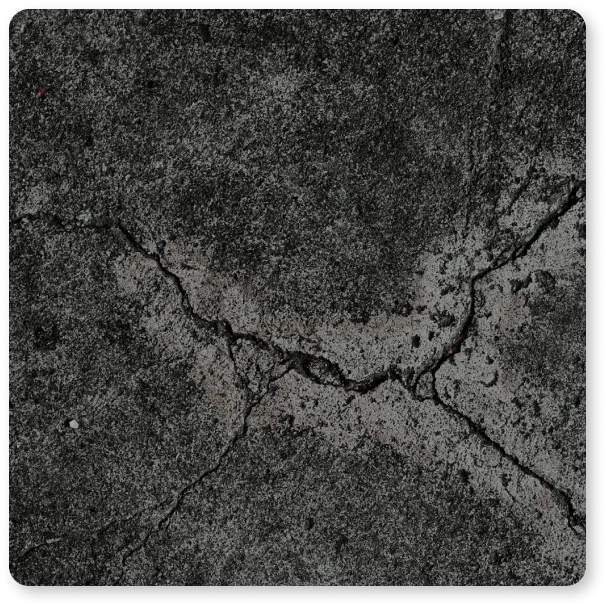
As colder temperatures approach, concrete surfaces face one of their biggest annual stress tests: freeze-thaw cycles. For homeowners, one of the most vulnerable spots is the driveway, especially if it's already showing signs of cracking or wear. Without timely repair, those small imperfections can turn into major surface problems once the freeze sets in.
Getting ahead of the weather with proactive driveway crack repair is one of the most important things you can do to protect your concrete this season. Not only does it help preserve curb appeal, but it also prevents costly deterioration that might otherwise require full replacement in the future.
In this guide, we’ll walk through why winter prep matters, how to approach crack repair properly, and what materials and methods offer the best results for cold-season protection.
Why Cracks Get Worse in Winter
Concrete is porous. It naturally absorbs water. When temperatures drop below freezing, any moisture trapped inside small cracks expands as it turns to ice. This expansion puts pressure on the surrounding concrete, causing the crack to widen, deepen, or even split off into new fractures.
This process, known as freeze-thaw damage, is especially aggressive in climates where temperatures fluctuate around the freezing point. Without intervention, a surface that looked fine in the fall can be riddled with crumbling edges or surface scaling by spring.
That's why winter prep concrete work is crucial. Addressing cracks now helps reduce water infiltration, minimizes expansion, and extends the life of your driveway.
What Kind of Cracks Need Repair?
Not all cracks are created equal. Before you begin any patching or sealing, take time to evaluate the size, depth, and pattern of your driveway’s cracks.
- Hairline cracks: These are shallow and cosmetic but can still absorb water. Simple sealers or fillers work well.
- Medium cracks (⅛ to ½ inch wide): These require proper cleaning and patching to prevent deep moisture penetration.
- Large or structural cracks: If the concrete is shifting or the crack runs deep, professional assessment is recommended.
If you’re unsure, a concrete specialist like the team at Anchor Crete can evaluate the damage and recommend the best course of action.
Step-by-Step Driveway Crack Repair Before Winter
1. Clean Out the Crack
Start by removing dirt, debris, and any loose material from the crack. Use a wire brush, screwdriver, or compressed air. For deeper cracks, a pressure washer with a narrow-angle nozzle can also help.
The cleaner the surface, the better the bond for your repair material.
2. Dry the Area Completely
Moisture is your enemy during repair. Choose a clear, dry day for your project and let the area dry thoroughly before proceeding.
If time is tight, use a leaf blower or heat gun to speed up the process, but avoid applying repair products to damp surfaces unless they're specifically designed for wet application.
3. Choose the Right Repair Product
This step makes or breaks the job. A high-quality patching material or crack filler designed for driveway use is essential. Look for products labeled as flexible, freeze-resistant, and UV stable.
Anchor Crete patch solutions are specifically designed for driveway durability and cold-weather performance. Whether you’re tackling fine surface cracks or deeper damage, these products offer long-lasting adhesion and reliable curing in fall conditions.
Common options include:
- Liquid crack fillers: Best for hairline cracks
- Concrete patching compound: Suitable for wider or deeper damage
- Self-leveling sealants: Ideal for larger joints or long cracks
Be sure to match the product to the job size and depth.
4. Apply the Repair Material
Follow product instructions carefully. For most fillers and compounds:
- Fill the crack slightly over the top (material may shrink as it cures)
- Use a trowel or putty knife to smooth the surface
- Feather the edges for a clean finish
Work in sections and avoid working in direct sunlight if possible, it can cause premature curing.
5. Let It Cure Fully
Curing time varies by product and temperature, but most repairs should be left undisturbed for 24 to 48 hours. Avoid driving or placing heavy items on the repaired area until it’s fully set.
Don’t be tempted to seal too quickly. If you're applying a driveway sealer over the entire surface, wait until the patch has fully cured to ensure good adhesion.
Optional: Add a Driveway Sealer for Extra Protection
While not required for every repair, sealing your driveway before winter offers another layer of defense. It blocks water infiltration, resists road salts, and helps reduce surface damage caused by freeze-thaw cycles.
Use a penetrating sealer for a natural look, or a film-forming product if you want a glossy finish. Either way, choose a sealer rated for freeze-thaw protection and apply it to a dry surface at temperatures above 50°F.
When to Call in the Pros
If your driveway has multiple wide cracks, areas of sinking or lifting, or signs of structural movement, it's best to consult a professional. In some cases, patching may be a temporary fix, and a larger surface restoration may be needed.
Anchor Crete offers seasonal inspections and repair services that identify underlying causes, recommend appropriate fixes, and apply commercial-grade materials designed to last.
Final Thoughts
Fixing concrete driveway cracks before winter isn’t just about appearances. It’s about protecting your home’s infrastructure. Small cracks left untreated can lead to major damage, trip hazards, and expensive repairs come spring.
With the right materials, a little time, and a clear day, you can complete a solid concrete fix that holds up all season long.
And if you’d rather not take chances with DIY patching, the team at Anchor Crete is here to help with professional assessments and cold-weather-rated products that keep your driveway safe, strong, and winter-ready. Contact us Today!