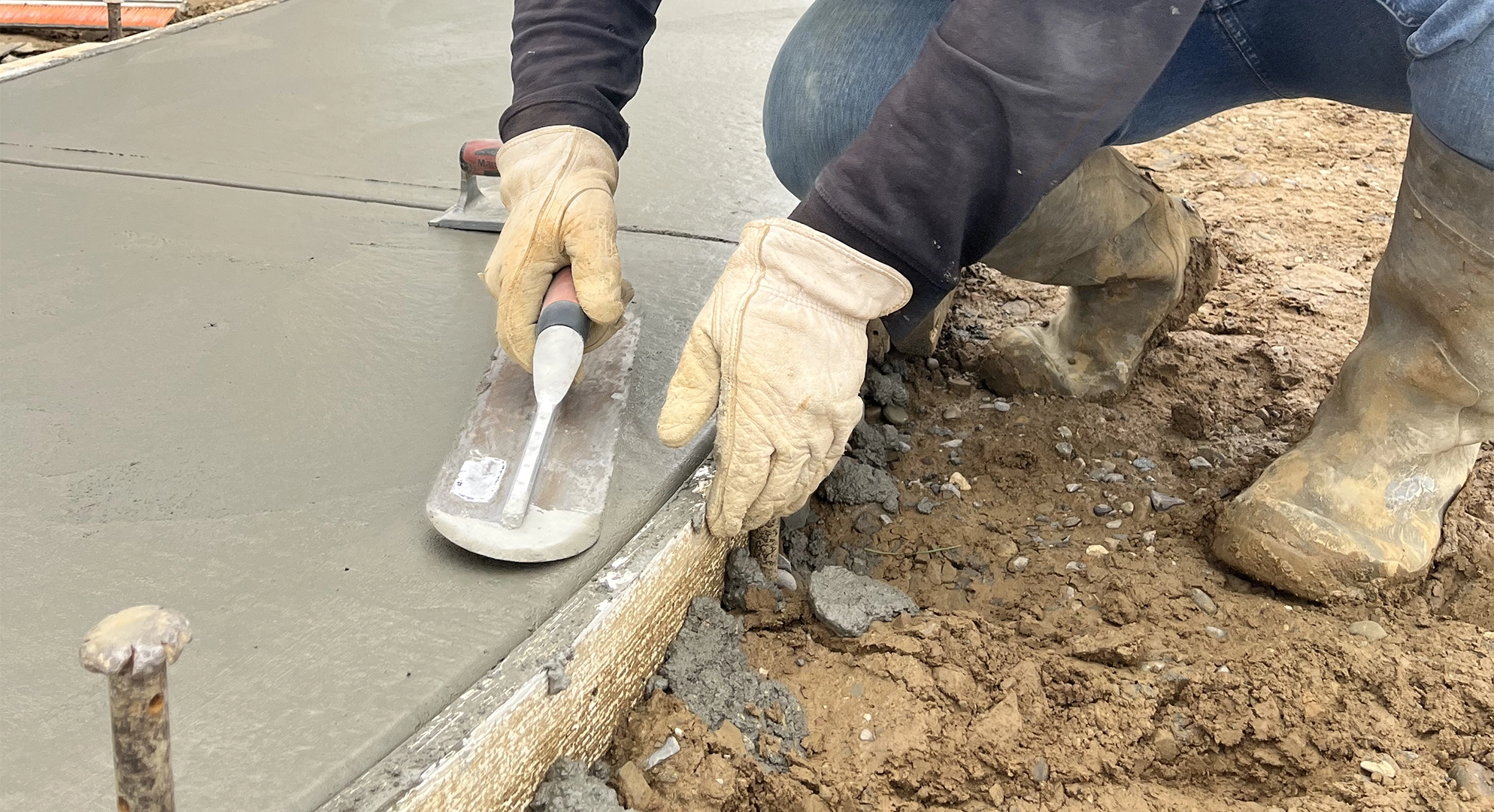
Concrete is often treated like a simple material. It’s poured it, finished it, and then you move on. But the reality is, long-lasting concrete isn’t accidental. The projects that hold up for decades are the ones that are planned correctly from the start.
Whether you're installing a driveway, patio, commercial slab, or agricultural surface, the difference between a 5-year surface and a 20+ year surface comes down to a few key decisions made before the first truck ever arrives.
Start With the End in Mind
Before anything else, define how the concrete will actually be used.
Ask questions like:
- Will vehicles or equipment be using this surface?
- Will traffic increase over time?
- Will the space be exposed to water, chemicals, or heavy loads?
- Is this a long-term solution or a short-term fix?
Concrete should always be built for its future use, not just its current condition. Many failures happen because a slab was designed for lighter use than it eventually experienced.
Base Preparation Is Everything
The most important part of any concrete project is the part you never see.
The base beneath the slab determines whether the surface will remain level, resist cracking, and withstand pressure. Poor base preparation leads to settling, shifting, and uneven surfaces, no matter how good the concrete itself is.
A properly prepared base includes:
- Excavation to remove unstable soil
- Compaction to prevent future movement
- Proper grading for drainage
- The right base material for the site conditions
Skipping or rushing this step is one of the most common causes of premature failure.
Thickness and Reinforcement Matter
Concrete isn’t one-size-fits-all. The thickness and reinforcement of a slab should match its intended use.
Heavier loads require a stronger design. That means:
When these elements are planned correctly, the slab distributes weight evenly and resists cracking over time.
Drainage Can Make or Break the Project
Water is one of the biggest threats to concrete.
If water pools on or around a slab, it can:
- Seep underneath and weaken the base
- Freeze and expand during winter
- Accelerate cracking and surface damage
Proper drainage design ensures water moves away from the concrete, not toward it. This is especially important in areas with frequent freeze-thaw cycles.
Joint Planning Controls Cracking
Concrete will crack. The goal isn’t to prevent cracking entirely. It’s to control where it happens.
Joints are strategically placed to guide cracking in a predictable way. Without proper joint planning, cracks appear randomly and often in visible or high-stress areas.
Well-designed joints:
- Reduce stress within the slab
- Prevent large, uncontrolled cracks
- Improve long-term appearance and performance
Timing and Scheduling Matter
Concrete work is highly dependent on timing. Weather conditions, temperature, and scheduling all impact how the slab cures and performs.
Rushed projects often lead to:
- Improper curing
- Surface defects
- Weak spots in the slab
Planning ahead allows for:
- Better scheduling around the weather
- Proper curing time
- A smoother overall process
Think Long-Term, Not Short-Term
One of the biggest mistakes property owners make is focusing only on the upfront cost. Lower initial pricing often means compromises in preparation, materials, or execution.
Over time, those compromises show up as:
- Repairs
- Maintenance costs
- Early replacement
A well-planned project may cost more upfront, but it typically delivers better value over the life of the concrete.
Final Thoughts
Concrete that lasts 20+ years doesn’t happen by chance. It’s the result of planning, preparation, and a focus on long-term performance.
If you’re considering a new concrete project, taking the time to plan it correctly will make a noticeable difference, not just in how it looks, but in how it holds up over time.
Contact us today!