We use cookies to improve Anchor Crete's site. Some cookies are necessary for our website and services to function properly. Other cookies are optional and help personalize your experience, including advertising and analytics. To learn more, check out our Privacy Policy.
Industrial & Warehouse Concrete Floors Built to Last
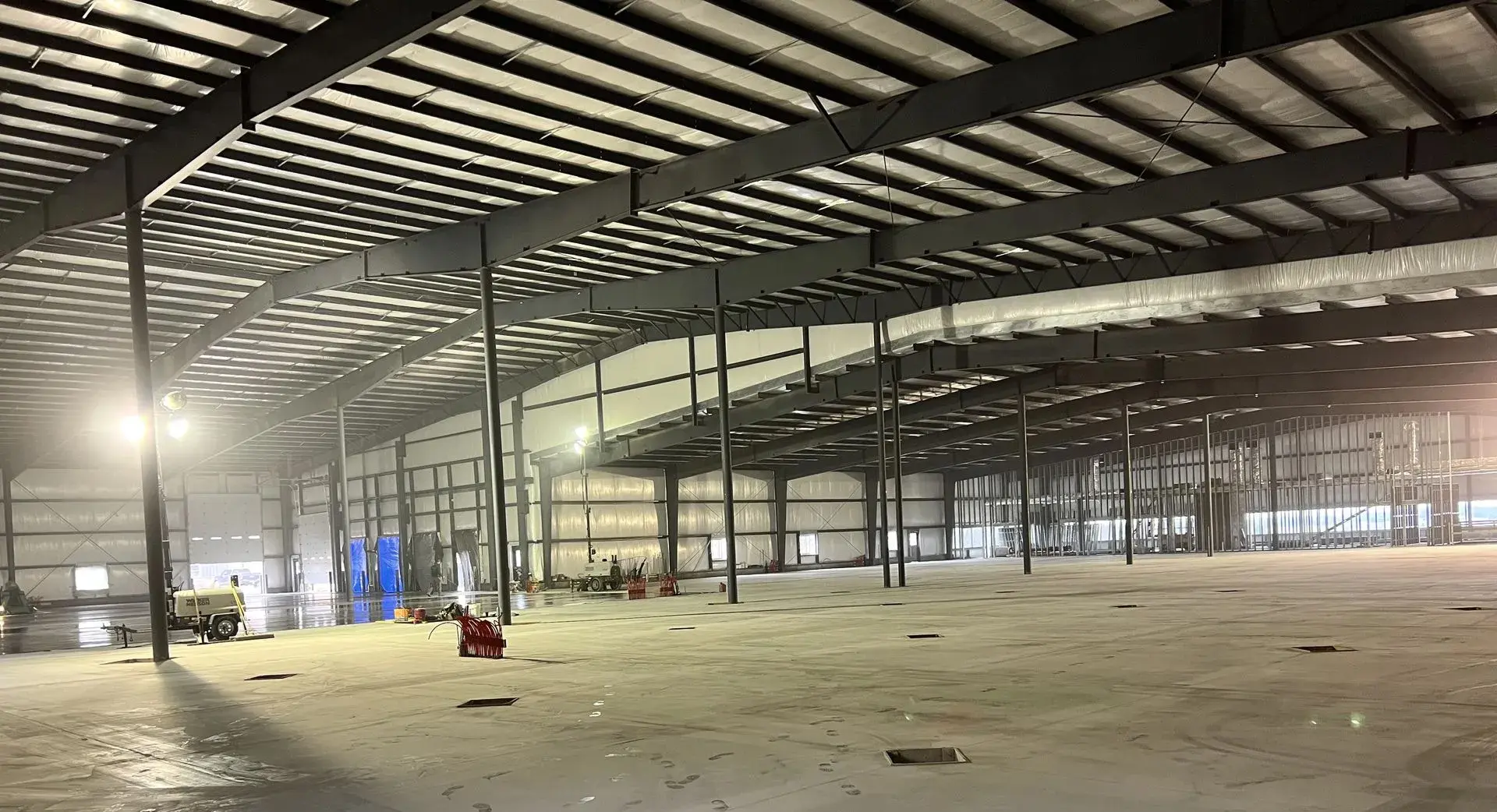
In industrial facilities, warehouses, and heavy-duty workspaces, concrete slabs are essential to your building’s performance. These environments require concrete that withstands heavy loads, frequent traffic, equipment use, storage systems, temperature changes, moisture, and long-term wear. Selecting the right contractor ensures durability, safety, and long-term value.
At Anchor Crete, we design and install industrial and warehouse concrete slabs and shop floors tailored to the demands of heavy commercial use.
As an industry leader, we deliver performance, durability, and value on every project.
Industrial slabs are engineered systems, not simply thicker concrete.Unlike residential flatwork, industrial and warehouse slabs have to account for:
Heavy loads and point loads from equipment and stored goods
Reoetitive vechicle traffic, including forklifts and pallet trucks
Precise flatness and level tolerances for automated machinery
Moisture control and vapor mitigation for indoor operations
Durability against abrasion and impact
Meeting these requirements demands careful design, quality materials, proper reinforcement, and precise installation.
Our Industrial & WArehouse Services
Custom Concrete Slab Design
Each facility has unique requirements. We assess load requirements, soil and subgrade conditions, drainage and vapor control strategies, and the best reinforcement options, such as steel fiber, rebar, or wire mesh, to ensure your slab is engineered for performance rather than just installed.
This approach ensures your slab is engineered for performance, not simply installed.
Our Industrial & WArehouse Services
Heavy-Duty Warehouse Floors
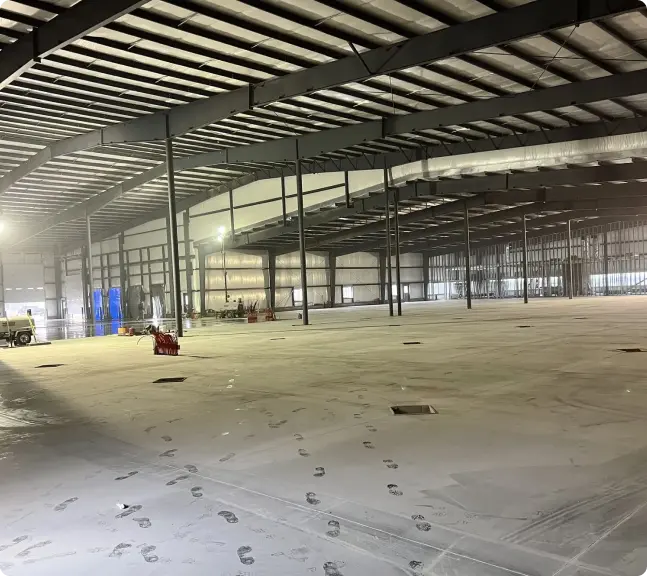
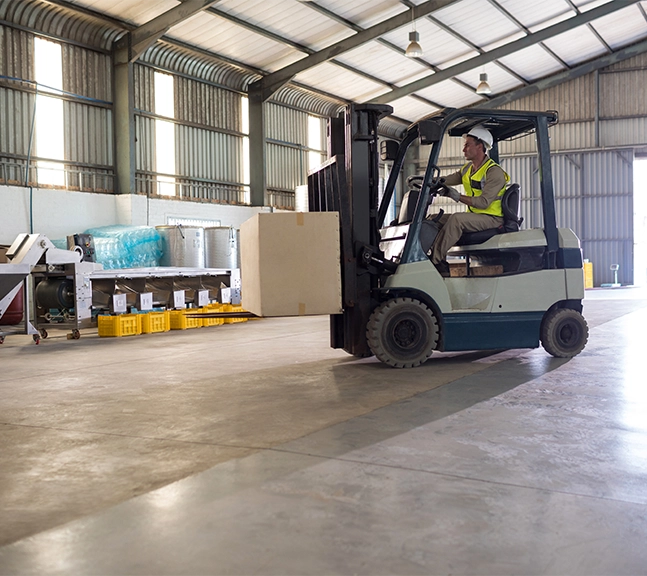
Warehouse floors require flat, durable slabs to support safe equipment operation. Our team installs floors that meet FF/FL (Floor Flatness/Floor Levelness) tolerances for precision, are reinforced for load-bearing and impact resistance, incorporate joint planning and maintenance strategies, and are finished for abrasion resistance.
Our Industrial & WArehouse Services
Shop & Manufacturing Floors
From automotive shops to fabrication areas, Anchor Crete provides concrete floors designed to withstand equipment, heat, oil, and heavy foot traffic. We also serve residential, commercial, and agricultural properties, offering services such as crack repair, slab leveling, joint sealing, surface rehabilitation, and reinforcement upgrades. These solutions collectively extend your floor’s lifespan and protect your investment.
Why Proper Site Preparation Matters
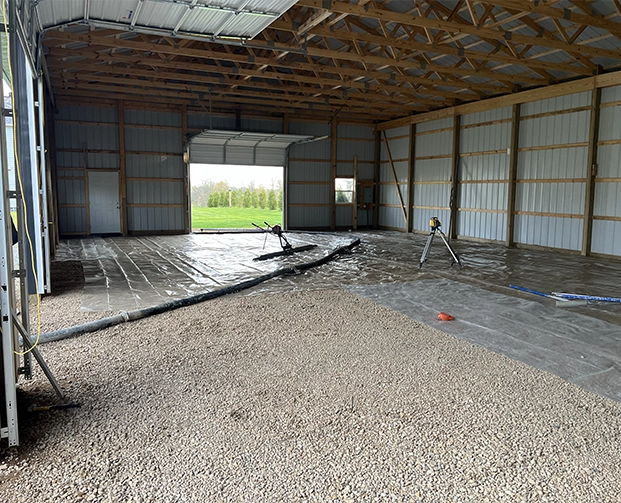
Durable industrial slabs start with proper site preparation. We stabilize the soil and subgrade, ensure proper compaction, install the right base materials, and carefully plan grading and drainage so your foundation is solid from the start.
A poor foundation can cause slabs to crack, settle, or fail early, leading to costly issues in production facilities.
Reinforcement & Joint Planning
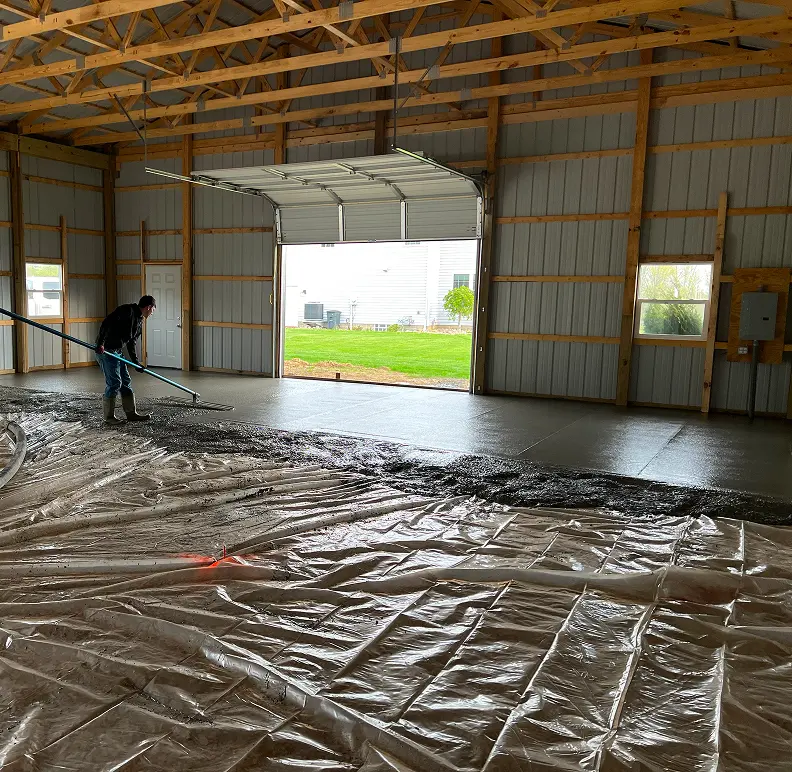
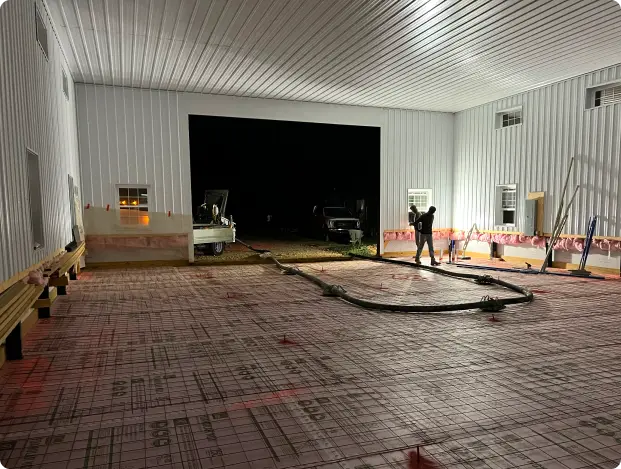
Industrial floors require reinforcement to resist cracking and manage stress. We commonly use steel rebar optimized for load paths, wire mesh for shrinkage control, and fiber reinforcement for impact and fatigue resistance. Strategic joint planning is also crucial for controlling joints, relieving stress, constructing joints to separate slab sections, and saw-cutting joints to help maintain flatness. Careful reinforcement and joint planning minimize long-term cracking and maintenance.
Finishing for Durability & Safety
The finish of your slab impacts both performance and safety:
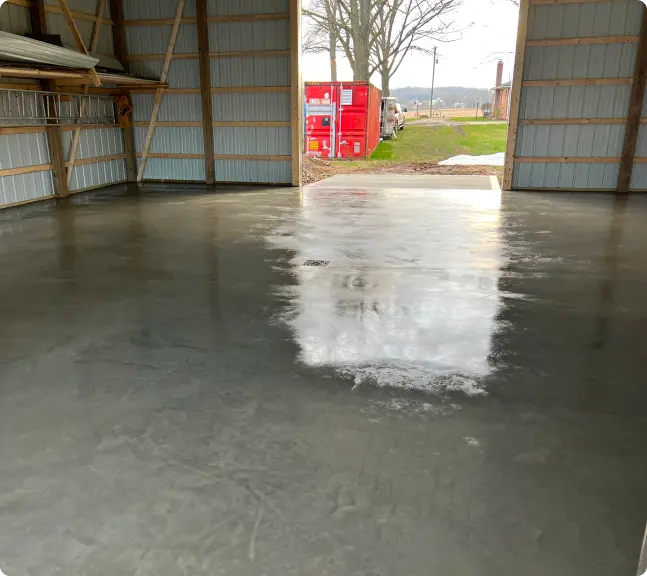
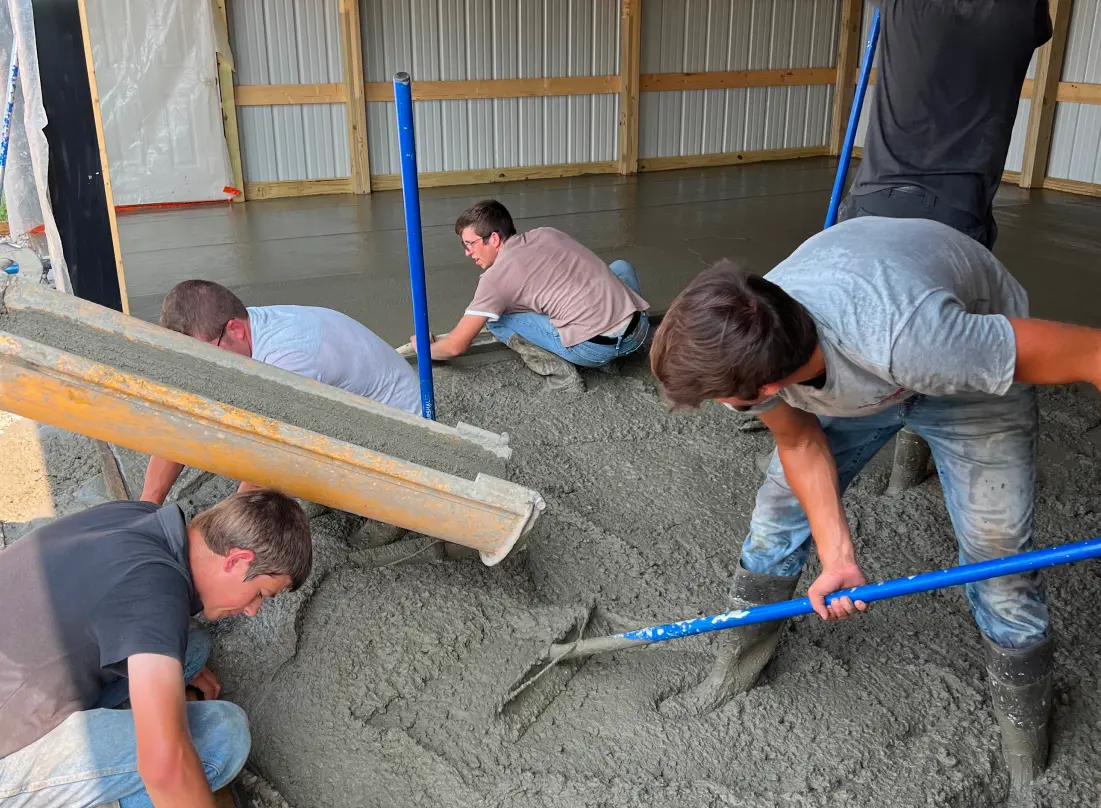
Smooth, dense finishes
reduce dust and water
Broom or textured finishes
improve traction
Specialized coatings
add chemical and abrasion resistance
Sealers and densifiers
protect against moisture and stains
Scheduling & Project Coordination
Industrial concrete projects can affect business operations. Anchor Crete works closely with facility managers, general contractors, and project teams to:
Plan around production schedules
Sequence pours for minimal interruption
Coordinate with structural, mechanical, and electrical trades
Meet project timeframes reliably
If you’re planning a new build or upgrading your current driveway, we’ll deliver a solution built with precision and durability in mind.
Benefits of Choosing Anchor Crete
Choosing the right contractor plays a major role in the long-term performance of your concrete. If you’re comparing options, it’s important to understand what sets a quality contractor apart, something we cover in our guide on how to choose the right concrete contractor for your project.
At Anchor Crete, we focus on delivering that level of quality on every industrial and warehouse project through:
Thoughtful project planning and experienced execution
Reliable materials selected for long-term performance
Careful attention to subgrade, drainage, and reinforcement
Slabs built to handle the demands of your specific operations
Slabs built to handle the demands of your specific operations
We don’t just install concrete—we approach every project with a focus on performance, durability, and long-term value.
Safety & Compliance
Industrial concrete must meet safety standards and building codes. We ensure proper reinforcement and thickness criteria, maintain flatness and level tolerances for equipment safety, comply with all local regulations, and deliver durable surfaces that support your daily operations.
Your slab is more than concrete; it is the foundation for productivity and worker safety.
Frequently asked questions
How thick should an industrial slab be?
According to the USDA NRCS, industrial slab floors must have a minimum thickness of 5 inches, though actual thickness may vary depending on expected loads and usage.
How long will it take before the floor can be used?
Concrete gains strength over time, but most industrial floors can support equipment after 7 days, with full cure by 28 days.
Can existing slabs be repaired instead of replaced?
Yes. Structural repair, leveling, and reinforcement are often possible when the slab isn’t severely compromised.
Do you handle permits and inspections?
We do not currently offer formal warranties. However, your satisfaction is very important to us. If you experience any issues with your concrete, please contact us—we’ll do our best to resolve the situation and make things right for you.
Get Started with a Free Estimate
If your facility requires a durable industrial slab or warehouse floor built for heavy use, Anchor Crete is ready to assist. Contact us for a free estimate and professional guidance on your project.