If you’ve ever planned a construction project, you’ve probably heard the terms “cement” and “concrete” used interchangeably. While common, that confusion can lead to misunderstandings when it comes to planning, pricing, and long-term expectations.
For property owners in Knox County, understanding the difference between cement and concrete isn’t just technical. It directly impacts the success and durability of your project.
Cement Is an Ingredient - Concrete Is the Product
The simplest way to understand it is this: cement is not concrete.
Cement is a fine powder that acts as a binding agent. When mixed with water, it forms a paste that holds other materials together.
Concrete is the finished product. It’s made by combining:
- Cement
- Water
- Sand
- Gravel or crushed stone
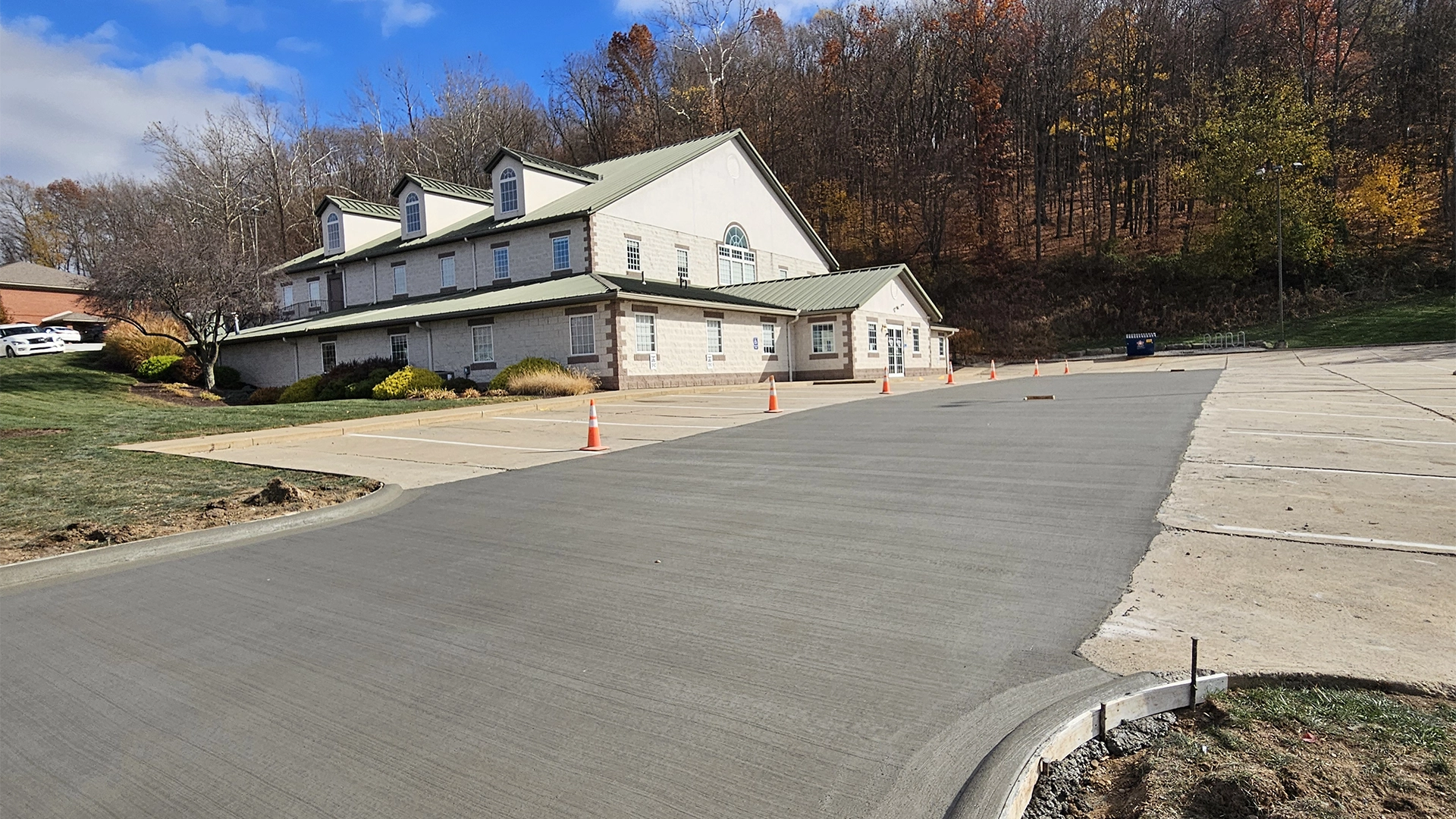
Once mixed and poured, concrete hardens into the durable surface used for driveways, patios, floors, and large commercial slabs.
So when someone says they need “cement work,” what they’re actually referring to is concrete.
Why the Difference Matters
At first glance, this may seem like a minor detail. But understanding the distinction helps clarify expectations, especially when planning larger projects.
Concrete performance depends on:
- Mix design
- Aggregate quality
- Water ratio
- Reinforcement
- Base preparation
Cement alone doesn’t determine strength or durability. The entire concrete system does.
In Knox County, where soil conditions and seasonal changes affect long-term performance, these details matter even more.
Common Misconceptions That Cause Problems
One of the most common issues contractors encounter is miscommunication around what the project actually requires.
Examples include:
- Expecting a thin surface layer to perform like a structural slab
- Assuming all concrete is the same regardless of use
- Underestimating the importance of reinforcement and base prep
- Choosing based on price instead of performance
These misunderstandings often lead to cracking, settling, or premature replacement.
Concrete in Knox County: What to Consider
Local conditions play a major role in the design and installation of concrete.
Knox County experiences:
- Freeze-thaw cycles that expand and contract concrete
- Soil movement that can affect slab stability
- Moisture variations that impact curing and long-term durability
Because of this, concrete projects in this area need to be built with durability in mind from the start.
That includes:
Skipping these steps may reduce upfront cost, but it almost always leads to higher long-term expenses.
Matching the Material to the Project
Not all concrete projects are the same. A patio does not require the same design as a commercial floor or agricultural slab.
Larger projects require more planning and precision, especially when they involve:
- Vehicle traffic
- Equipment loads
- High-use surfaces
- Long-term exposure to the elements
Choosing the right mix and design ensures the concrete performs as intended, not just initially, but over time.
Why Bigger Projects Demand Better Planning
Concrete becomes more complex as project size increases. Larger slabs require:
- More precise leveling and grading
- Consistent material placement
- Strategic joint planning
- Coordinated scheduling
This is why many contractors specialize in larger-scale work. It allows for better control over quality and results.
For larger projects, these details become even more important. A properly designed slab at that scale performs better and lasts longer.
Final Thoughts
Understanding cement vs concrete is the first step toward making informed decisions about your project. Cement is just one part of the equation. What matters is how the entire concrete system is designed and installed.
For property owners in Knox County, taking the time to plan correctly leads to stronger, longer-lasting results. Whether you’re building new or replacing an existing surface, the right approach upfront makes all the difference.
Contact us today to get your project started.